
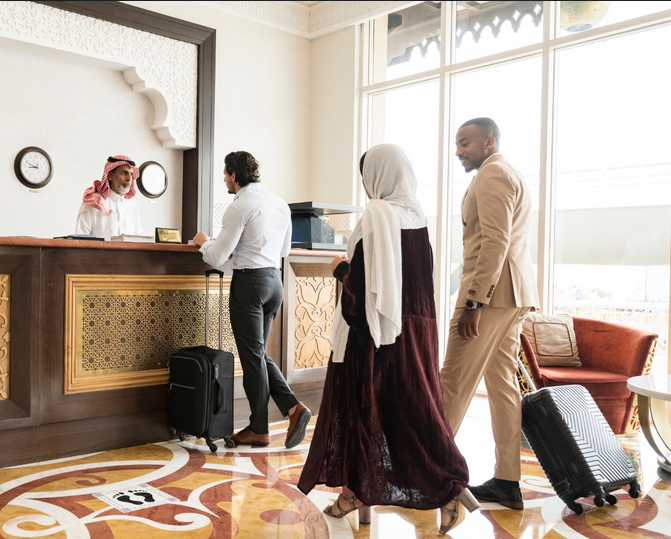
In today’s competitive hospitality industry, personalized guest experiences are no longer just a luxury—they’re a necessity. By effectively utilizing customer data, hotels can create unique, tailored stays that meet their guests’ specific needs and preferences. Personalization not only enhances the guest experience but also drives loyalty, increases customer satisfaction, and boosts repeat bookings. Here’s how hotels can use customer data to personalize stays and create memorable experiences.
1. Understand Guest Preferences through Data Collection
The first step in personalizing hotel stays is to collect and analyze relevant guest data. This includes basic information such as guest history, booking patterns, and preferences, as well as specific requests, such as room type, amenities, or special occasions like birthdays or anniversaries. Many hotels now use customer relationship management (CRM) systems and booking platforms to gather this information. By analyzing this data, hotels can create guest profiles that provide insights into each guest’s preferences and needs.
2. Tailor the Room Experience
Once a guest’s preferences are understood, hotels can personalize the room experience to align with those preferences. For example, if a guest frequently requests a specific type of pillow or a particular room temperature, these details can be pre-set before their arrival. Similarly, data can reveal whether a guest prefers a quiet room, specific amenities such as a bathtub, or particular views. Offering these personalized touches makes guests feel valued and cared for, which enhances their overall satisfaction.
3. Offer Personalized Recommendations and Services
Personalized experiences extend beyond the room itself. By analyzing guest data, hotels can offer tailored recommendations for activities, dining, and local experiences. For instance, if a guest frequently dines at vegetarian-friendly restaurants or enjoys spa treatments, the hotel can suggest relevant dining options or book spa appointments based on their past preferences. Providing these customized recommendations can elevate the guest experience and convey thoughtful attention.
4. Leverage Loyalty Programs for Personalization
Loyalty programs are a powerful tool for personalizing hotel stays. By tracking guests’ loyalty points, previous stays, and rewards, hotels can offer members exclusive perks such as room upgrades, early check-ins, and access to premium services. Personalizing rewards not only incentivizes guests to return but also makes them feel appreciated for their loyalty.
5. Enhance Communication with Personalized Messaging
Personalized communication is essential in reinforcing the tailored experience. Send guests pre-arrival emails with customized itineraries or offer special promotions related to their preferences. During their stay, personalized messaging via apps or in-room tablets can offer updates on activities, amenities, or even surprise offers based on their interests.
Conclusion
By leveraging customer data, hotels can create highly personalized experiences that exceed guest expectations and foster long-term loyalty. From personalized room setups to tailored recommendations and communications, using data to understand and meet guests’ unique preferences is a key strategy for enhancing the overall hotel experience.
#HotelPersonalization #CustomerData #GuestExperience #LoyaltyPrograms #PersonalizedService #HotelTechnology #CustomerSatisfaction #HospitalityTrends
